AI tools have become a normal part of my day-to-day workflow, not a novelty. They haven't replaced the judgment a developer brings to a project, but they have noticeably changed how fast certain parts of the work get done.
Faster Prototyping and Boilerplate
Setting up repetitive scaffolding, component structures, and configuration used to eat up hours at the start of every project. AI assistants handle most of that groundwork now, which means more of my time goes toward the parts of a project that actually need a human decision.
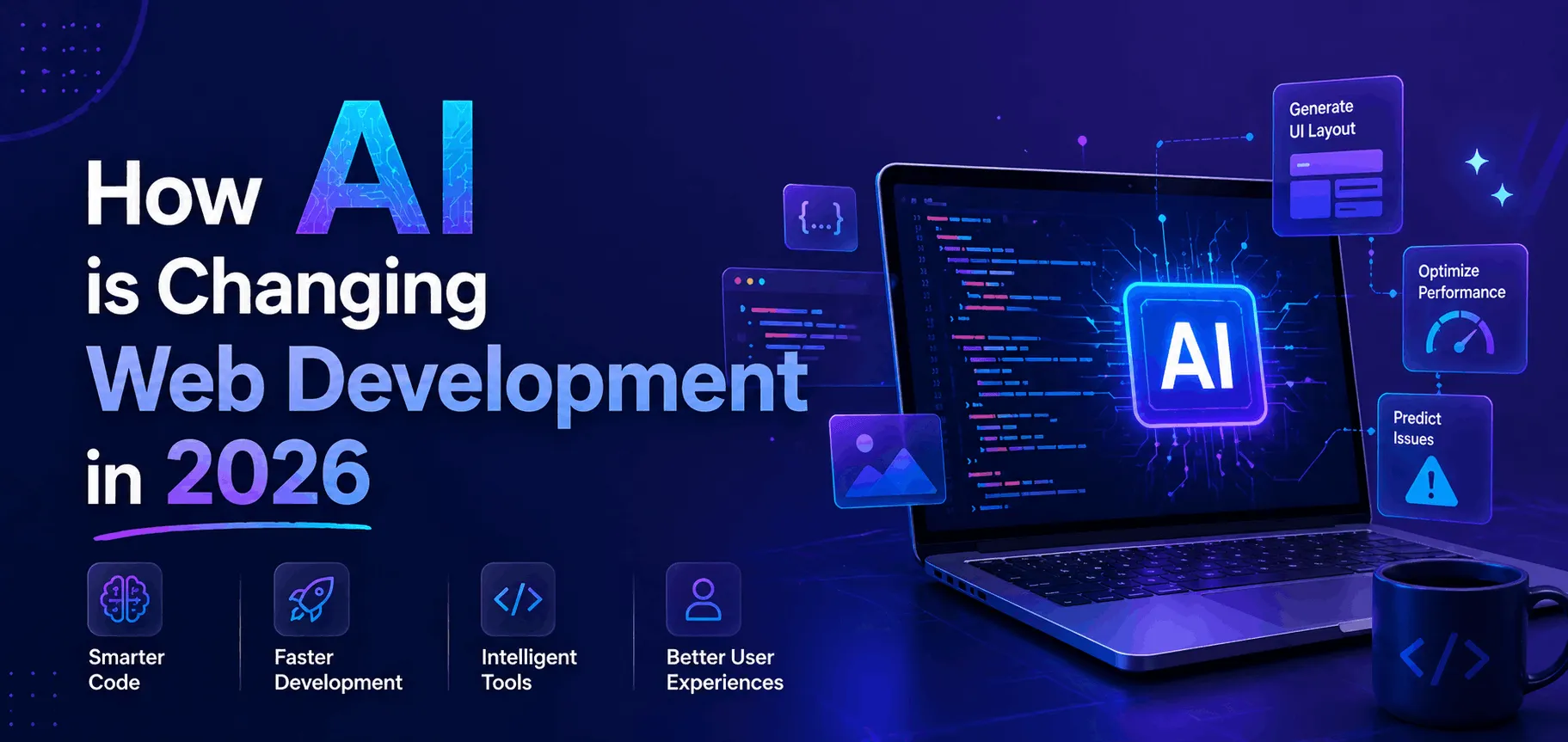
AI assistants have changed the pace of the repetitive parts of development, not the judgment calls that still need a developer.
AI as a Debugging Partner
Pasting an error message or stack trace into an AI assistant is often faster than searching through old forum threads. It doesn't always get the answer right the first time, but it narrows down where to look, which speeds up the whole debugging process.
Where AI Still Falls Short
AI tools are far less reliable when it comes to architecture decisions, business logic, and understanding what a client actually needs versus what they literally typed in a request. Every piece of AI-generated code still needs a developer to review it, test it, and decide whether it fits the bigger picture.
What This Means If You're Hiring a Developer
Clients sometimes assume AI has made hiring a developer optional, since tools can now generate a working page from a text prompt. In practice, the opposite is happening. AI-generated code still needs someone who can tell the difference between code that looks correct and code that actually is correct, someone who understands security, performance, and how a new feature affects the rest of the system. If anything, the developers worth hiring are the ones who use AI to move faster without shipping the mistakes AI tends to introduce quietly.
The Skills That Matter More, Not Less
As AI absorbs more of the repetitive coding work, the skills that separate a good developer from a mediocre one have shifted toward judgment: knowing what to build, not just how to build it. Reading a client's actual business problem, making sound architecture decisions, spotting a security issue an AI tool glossed over, and communicating tradeoffs clearly are all becoming more valuable, not less, precisely because the mechanical part of the job is faster now.
How I Use AI in My Workflow
- Scaffolding repetitive components and configuration
- Drafting documentation and client-facing copy
- Reviewing code for edge cases I might have missed
- Speeding up research when working with an unfamiliar library
- Generating first-draft test cases to check my own assumptions
- Summarizing long changelogs or migration guides before an upgrade
Frequently Asked Questions
Will AI eventually replace web developers?
Unlikely in the way people imagine. AI is very good at generating code from a clear specification, but most real projects start without a clear specification. Translating a business need into the right technical decisions is still a human skill, and it's the part clients are actually paying for.
Is AI-generated code safe to use in production?
Only after a developer reviews it. AI-generated code can look complete while missing edge cases, security checks, or proper error handling. I treat it the same way I'd treat code from a junior developer: useful as a starting point, not something to ship unreviewed.
Which AI tools do you actually use day to day?
I use a mix of general-purpose assistants like ChatGPT and Claude for planning, debugging, and documentation, alongside AI-assisted coding tools built directly into my editor for day-to-day scaffolding and refactoring.
Does using AI tools make projects cheaper for clients?
It can reduce the time spent on repetitive setup work, but it doesn't reduce the time spent on planning, architecture, testing, and revisions, which is where most of a project's cost actually comes from. The bigger benefit is faster turnaround, not necessarily a lower price.
Conclusion
AI has made certain parts of web development significantly faster, but it hasn't changed what clients are actually paying for: a developer who understands their business, makes good architecture decisions, and stands behind the final product. The tools have changed. The value of experienced judgment hasn't.